|
|
|
This Fossil Fuel can Create Energy and Help People, but it Can Also Harm the Environment
by Cinthia Diaz, age 12
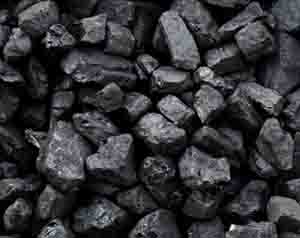
Coal is a common mineral that we use everyday. About 41 percent of Earth’s energy comes from coal.
Coal is made of plants and trees that died over 300 million
years ago. As plant matter and trees decay, it builds up in peat bogs.
The peat then gets buried in layers of sand and mud due to rising sea
levels. Over millions of years pressure binds the peat together firmly
and the peat hardens, turning into coal.
Earth
currently holds 4,000 billion tons of coal. Over four billion tons of
coal is mined each year. It’s largely mined to be burned for light and
heat. Coal is also processed into tar, oil, and a byproduct called coke.
Coke is used for producing steel and iron. Dyes, fertilizers, nylon,
and some perfumes use the same oil and tar found in coal.
Coal is
a fossil fuel that is made of tar, oils, and carbon. Lignite,
bituminous, and anthracite are the three main types of coal. Lignite is
the lowest quality coal, made up of less than 50 percent carbon.
Bituminous is the second-highest quality coal containing around 70
percent carbon.
Anthracite is the highest quality coal composed
of approximately 95 percent carbon. Anthracite coal gives off the most
heat, while releasing the least amount of smoke and gas into the
atmosphere. Coal of the lowest quality produces the least amount of heat
and is the most harmful to the environment.
We use
coal in many ways that greatly benefit us. But its use also has serious
consequences for our planet. Coal releases carbon monoxide and soot,
poisonous gases that contribute to global warming. To fix this problem,
most factories now filter out soot and other poisonous gases, which
partially cleans the coal.
To learn more about how student
advocates are seeking other ways to reduce the harmful effects of fossil
fuels like coal, read my fellow reporter Virginia’s article at
www.simpsonstreetfreepress.org
[Sources:
Simpson Street Free Press; Associated Press
]
|
|