Exploring the Hidden Lives of Carnivores and the Urgent Need for Conservation
by Daniel Garduno, age 12
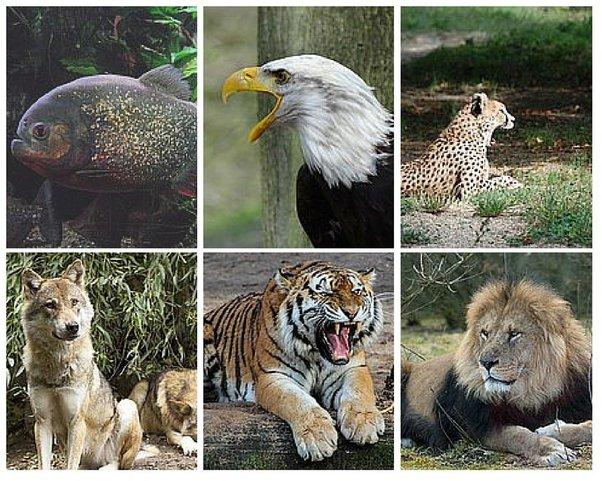
When people think of carnivores, they usually think of wolves, bears, and leopards. However, there are lesser-known predators such as weasels, badgers, and skunks.
The definition of a carnivore is an animal that only consumes meat. Carnivores' diets heavily rely on the meat found in their habitat. Without the necessary nutrients, they would eventually starve or die from fatigue. Common foods for these predators include birds, reindeer, fish, frogs, mice, voles, rats, and rabbits.
Wolves, a commonly known carnivore, can be found throughout the Northern Hemisphere, usually in habitats like dense tundras or snowy areas. Wolves travel in packs, which helps them fend off unwanted enemies. When they find a place to live, they claim and mark their territory using scent markings, whining, or howling. This alerts prey and enemies that they are entering wolf territory. Wolf territories can span from 40 to more than 400 square miles.
Carnivores can also be classified as scavengers. One well-known scavenger is the raccoon. Raccoons hunt their prey, but more commonly scavenge for food in dumpsters. When they find food, they take it to a nearby water source and rinse it to make it safe for consumption.
Unlike raccoons, which prefer scavenging for food, weasels are dominant, predatory, and bold. They hunt their prey alone in marshlands or wetlands. The design of weasels' bodies makes them super agile and fast. They pursue their prey by chasing them inside tree trunks and ground burrows.
All these carnivores are unique, but most of them are facing the risk of disappearing. Climate change is affecting these animals' habitats through the melting of snow, lack of rain, and even wildfires. We need to make a change before the familiar animals we know go extinct.
[Source: Britannica Animals]











Loading Comments...