Fascinating Facts About Honeybees, From Queen Bee to Pollinators
by Malak Al Quraishi, age 12
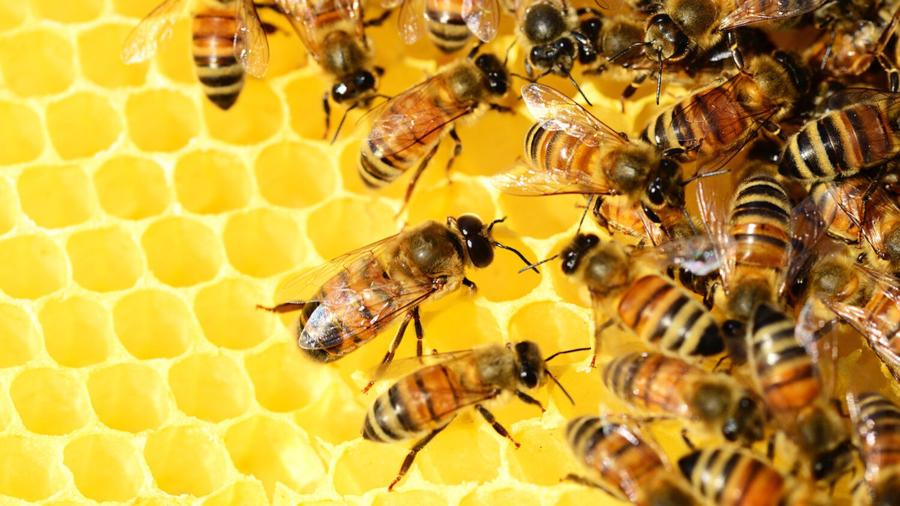
Did you know that queen bees can lay over 2,500 eggs every day? Honeybees were introduced to the Americas by European settlers in the 19th century. Today, they are commonly found collecting nectar from flowers and pollinating plant life. They collect nectar during the daytime, but during the night, they keep the hive warm, clean up debris, and sleep.
Honeybees also have a self-defense mechanism. When they perceive that the hive is threatened, honeybees will actively seek out and sting an intruder if necessary. When honeybees sting, they leave behind their venomous sac. Melittin is the main toxic compound found in bee venom, constituting 50 - 60% and causing the majority of the pain.
One reason why honeybees may sting is to protect their hive, which stores the eggs laid by the queen. The queen then fertilizes the eggs as they’re being laid. The queen will occasionally not fertilize an egg. The queen does this to get drones, which are male worker bees that don’t have stingers. The eggs later then become worker bees or drones that run and sustain the colony.
Honeybees are hardworking insects that are important for the environment. They serve as pollinators, allowing for the growth of various plants, fruits and vegetables. Honeybees are protective creatures and only attack when they feel threatened, therefore next time you see a honeybee it is best to leave it alone and simply admire its work.
[Source: Nature Mapping Foundation]











Loading Comments...