New Street Drugs Make Opioid Crisis Worse
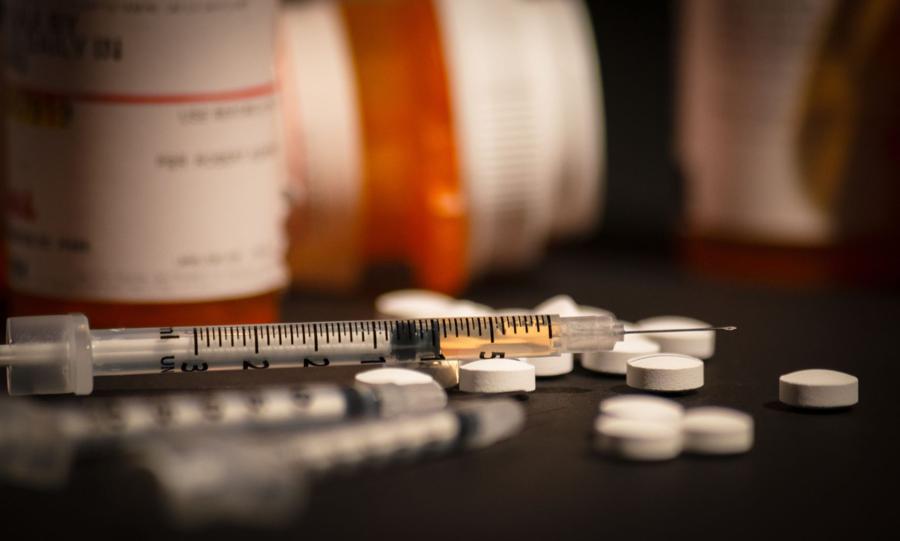
by Moore Vang, age 15
Dane County and Milwaukee County health officials are concerned about a synthetic drug that can worsen the opioid crisis. This drug is known as medetomidine, an animal tranquilizer that is being mixed with fentanyl along with other street drugs. Although medetomidine has not been linked with overdose deaths in Wisconsin, it has been in other places nearby such as Chicago and is an example of the dangers of these new incoming drugs.
Medetomidine has multiple health side effects including sedation, decreased heart rate, and difficulty breathing which can worsen with opioid and non-opioid sedatives. These effects are similar to another animal tranquilizer that has entered Wisconsin: xylazine, also known as Tranq. Effects of these drugs can not be treated by opioid-reversing drugs such as Narcan, thus overdose is a serious risk when these drugs are present and abused.
Dr. Ben Weston, the director of medical services for the Milwaukee County Office of Emergency Management, said, “It makes opioids even more dangerous and harder to reverse.” Within two years, xylazine went from not being a concern to being the cause of 5% of all overdose deaths in Wisconsin. “The trends that we are seeing nationally probably mean that it’s only a matter of time until we see medetomidine here in Milwaukee County and in Wisconsin,” Weston said. A Milwaukee County medical examiner is continuing to look for the presence of the drug in overdose deaths.
Along with these drugs, one of the main focuses of the opioid crisis has been fentanyl. Fentanyl has remained a controlling factor in the drug market, as it has become the main appeal of many drug users. The idea of fentanyl being cut is not the issue, the drug itself is the main concern health officials have. Jake Nissen, a public health coordinator for Dane County, is hoping that Wisconsin will pursue a comprehensive drug checking service, even more precise than just drug test strips. Unfortunately, Wisconsin does not have comprehensive drug checking services. These services would grant people access to have their drugs tested for potency, which can identify different kinds of ingredients, from sugar to fentanyl. Without this, it makes it difficult for people determine what drugs they are taking.
In early June, Public Health Madison and Dane County announced an overdose spike alert. They came across at least ten residents that were given treatment by local hospitals from suspected opioid overdoses within a 48-hour time period. This is more than usual within such a short time span, and raises concerns with other recent cases, including 18 emergency calls for overdoses over a 24-hour period that same week – none of which included medetomidine. In Milwaukee County this year, there have already been 166 confirmed deaths to drugs along with an additional 66 deaths that are presumed to be expected overdoses, as reported by a medical examiner.
There are many challenges in tracing where these drugs are coming from.
“Before we had oxycontin, we had heroin, and then we had fentanyl. Now we have Nitazene, we have xylazine, medetomidine,” Nissen said. “There’s just an abundance of things in drugs. That definitely is difficult to navigate.”
Not only is it hard to track, it is also difficult to find solutions for the overdoses themselves. Marquis Phiffer, a member of a peer services team at Safe Communities at Madison & Dane County, personally works with people in recovery, and he said, “the game’s changing; drugs are getting more dangerous. It’s hard to kind of pull people out of the hole they’re already in.”
Any drug can contain undisclosed substances, including medetomidine or xylazine, which can be harmful, and even life-threatening to users. The people of Wisconsin should stay alert to what they are taking and be aware of the harm of these prevalent drugs. Local public health offices and other health organizations provide resources if there are any concerns regarding drugs.
[Source: Milwaukee Journal Sentinel; WPR]











Loading Comments...