Glass Technology Through the Ages
by Aubrey Bevenue, age 13
Glassmaking is a complicated process and it has changed over the course of thousands of years. It has been in use since the first glazed objects that were made in the Eastern Mediterranean region over five thousand years ago. In the 18th-century, Venice and London were renowned for their high-quality glass and works of art. In the 19th and 20th centuries mechanization made glass an easy-to-use material for bottles and containers.
In 2050 BCE, the Egyptians made pottery objects decorated with faience, which is a blue glazed mixture of sand and a mineral that contained calcium oxide called ‘lime.’ Faience began in Egypt in the predynastic times (3000 BCE). These faience objects were treasured in Egyptian society.
Up until 1500 BCE, glass working was not developed enough to make entire containers. But at some point new techniques were invented. Vessels were created by dipping a bag filled with sand into melted glass, which would coat the bags of sand and take its shape. Once the glass was ready, the sand core would be emptied. By the 9th century the Phoenicians were trading glass objects all around the eastern Mediterranean.
Glassblowing was most likely invented in the 1st century BCE in the eastern Mediterranean region. In Rome the glass industry grew, and glass was beginning to see daily use. The Romans were skilled at creating glass, and invented complex glass techniques, such as coloring and engraving glass. Many of these techniques were lost after the fall of the Roman Empire, though new techniques, such as gilding and enameling were invented in the Islamic world around the 12th century.
Glass technology advanced during the medieval period. Venice in particular was known for high quality glass arts. They had better techniques and higher quality glass.
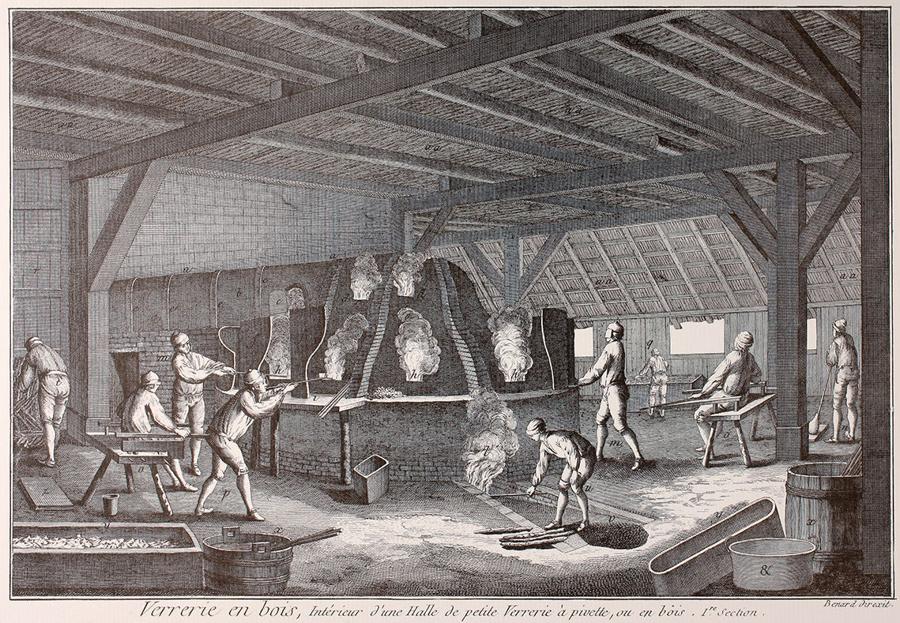
Glass can be used for a variety of things, though it can be costly to decorate. Pieces made out of glass were long looked at as luxury items and expensive works of art. That changed in the 19 century, when mechanization was introduced. Industrial techniques changed glassmaking, by making glass containers ease and cheap to make. Glassmaking was also becoming more scientific, which made better quality vessels. By the early 20th century, glass bottles and containers, like the Coca-Cola bottle, could be found everywhere.
[Source: History of the World; National Geographic]











Loading Comments...