Polka Dancing Holds a Special Place in Wisconsin’s Dance History
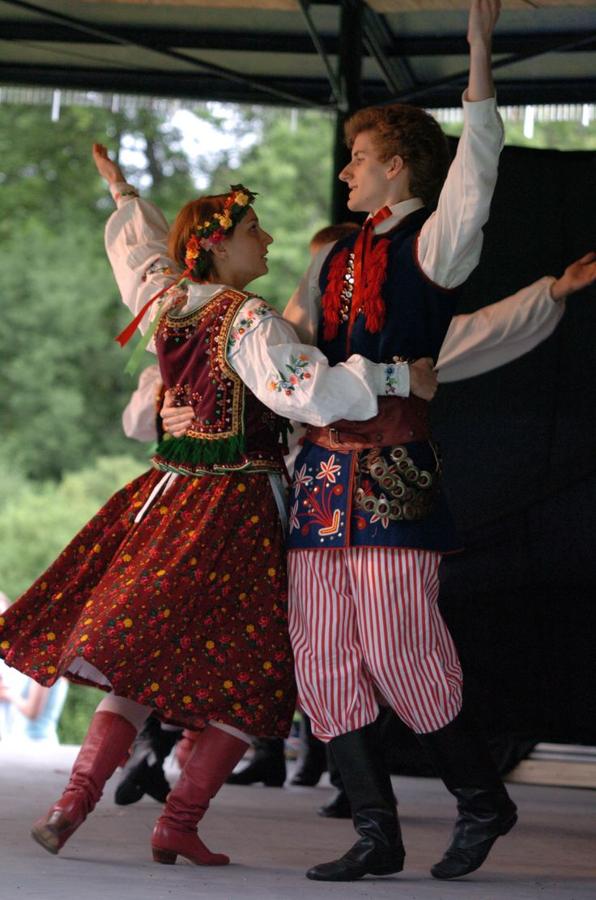
by Ayelen Flores, age 14
An exciting dance called polka was named the Wisconsin State Dance 30 years ago. This genre originated in Europe nearly 90 years ago and still has significance today.
The dance originated in European countries as a variation of the waltz. Polka involved more physical contact between partners and couples whirling in each other's arms. Polka has a rapid tempo with a lot of footwork and hopping. Young middle-class people were mostly the ones who danced the polka. During the 1840s, when Europe entered its revolutionary period, Polka was used as an act of rebellion against the aristocracy – a small privileged class of people who held power. Polka soon spread across Europe and the Atlantic.
Polka arrived in Wisconsin in the 1840s, before it became a state. Central European immigrants brought the dance to Wisconsin and kept it alive. The squeezebox and the button accordion were handmade instruments many immigrants carried with them to create the rhythm.
In the 20th century, polka music aired on the radio, reaching new audiences. Artists included Whoopee John, who played Dutchman music, a type of polka that originated in the Netherlands and northeastern Cletus Bellin, leader of the Clete Bellin Orchestra, a Czech-style band that was one of the finest polka bands in the Midwest. He had several challenges in determining the correct punctuation of the Czech folk song lyrics.
Polka became the official state dance for Wisconsin 30 years ago. A Madison elementary school petitioned and talked to lawmakers about the idea. The Boosters groups and the State Folk Museum provided documentation of the dance’s history and evidence of polka being part of Wisconsin culture. On April 29, 1994, former Gov. Tommy Thompson signed the bill that made it the state dance during a polka party in Pulaski, in northeast Wisconsin. Pulaski is known to hold a four-day polka celebration.
Even though it has only been the state dance for 30 years, polka has been a lively tradition in Wisconsin for decades. The world record for the largest polka was surpassed early in 2024 in Monroe, Wisconsin, with over 4,000 dancers. Those looking for a local opportunity to try out Wisconsin’s dance can do so at Madison’s own Essen Haus on Friday and Saturday evenings, accompanied by live polka bands.
[Sources: Wisconsin Public Radio; PBS; JSTOR Daily; Civic Media; Wisconsin State Journal]











Loading Comments...