From Deserts to Forests, Animals Adapt to Habitats
by Gerard Sanchez, age 11
Habitats are environments that provide animals with water, shelter, food, and space to live.
There are different habitats such as ice caps, savannas, deserts, and rainforests. Sometimes habitats do not have everything animals need, which can result in their death.
Animals sometimes evolve or adapt to help them survive in their habitats. For example, polar bears have thick layers of fur and fat to survive frigid polar air. Porcupines have long quills to defend themselves from other animals in their habitat.
In the desert, rainfall is very limited, and animals that live there do not need a lot of water. For example, camels do not actually store water in their humps but instead store fat, which their bodies can break down for energy and water when resources are scarce. Camels can still go for long periods without drinking water as they travel across the desert. Other animals that have adapted to desert climates include spiders and reptiles.
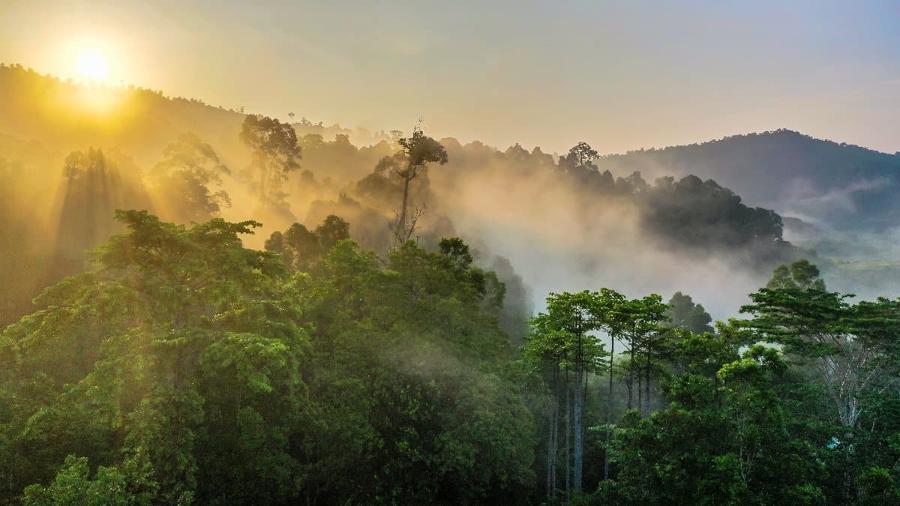
Another type of habitat is the tropical rainforest, where it is warm and it rains frequently. An animal that lives in the tropical forest is the red-eyed tree frog.
Savannas and grasslands, which are dominated by grass, are different but similar because neither can support many large trees. Savannas cannot support dense forests because they do not have enough consistent rainfall; however, they do support a wide variety of animals, including rhinoceroses and bison.
Habitats help our ecosystems by providing animals with the things they need to thrive. Each habitat supports a variety of species, all of which have learned how to adapt to these environments and create a balanced system. It is important to understand habitats and preserve them for future generations.
[Sources: National Geographic Education; The Ultimate Guide to the Animal Kingdom]











Loading Comments...