As Scientists Watch, Underwater Volcano Set to Erupt Later This Year
by Oliver Zink, age 14
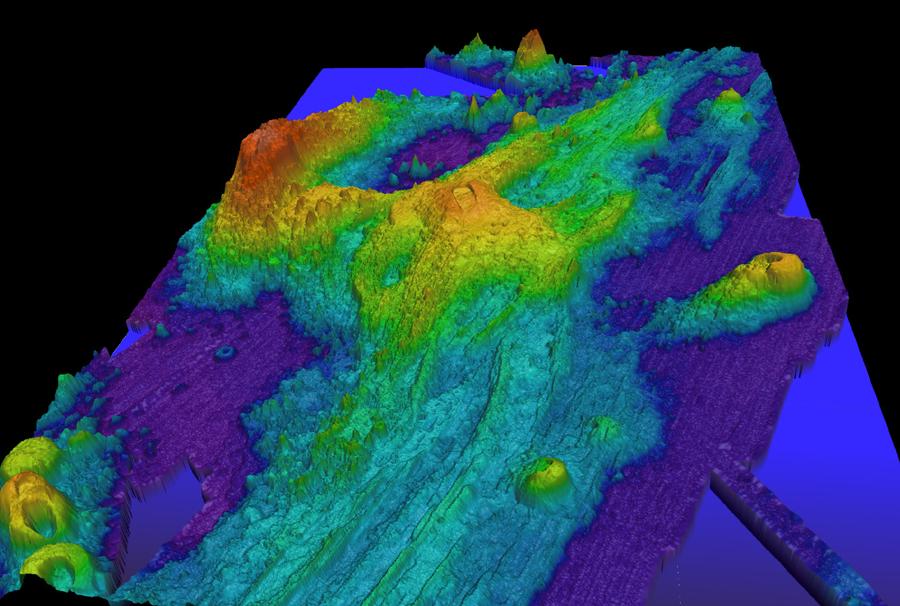
A volcano 300 miles off the coast of Oregon is nearing eruption, and no one may realize when it is happening. Scientists at the University of Washington have used a network of sensors on the seafloor to monitor the volcano. In late March and April, sensors detected more than 1,000 earthquakes every day. The volcano is slowly swelling, a sign that it is filling with molten rock. Scientists estimate that it will erupt between now and the end of the year.
It poses no threat to people as it is too far out from shore and a mile below the surface. If you were boating or swimming above it, you may not even notice it erupting. However, it would still be an amazing event with flows of lava 450 feet thick.
The volcano is located on a hotspot. A hotspot is where plumes of molten rock rise from the Earth's mantle into the crust between tectonic plates. This creates underwater volcanoes, which then produce island chains such as Hawaii.
Scientists can make short-term, reliable forecasts of eruptions but have yet to be able to make predictions far into the future. This volcano has erupted in 1998, 2011, and 2015. The past eruptions have made the seafloor slightly higher and created new seafloor features. Underwater volcanoes do not pose threats to humans, but they do showcase something spectacular.
[Sources: NBC News; ScienceDirect]











Loading Comments...