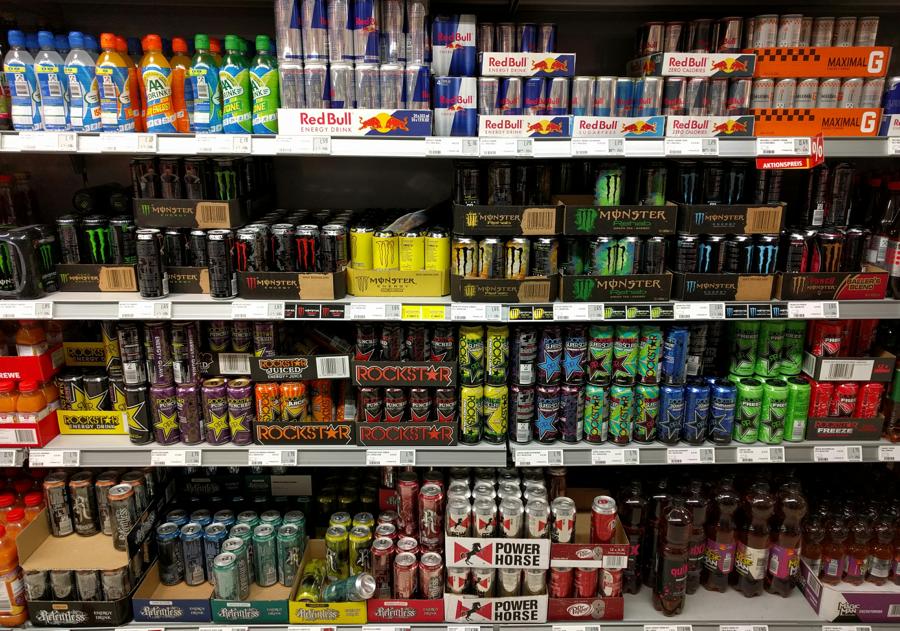
Hey Teens! Think Twice Before Chugging that Energy Drink!
by Evelyn Jakubczak, age 13
Studies show that kids who consume high amounts of caffeine found in energy drinks, sodas, and coffee are often associated with high levels of stress, anxiety, and depression.
Currently, there are no federal guidelines prohibiting kids from consuming caffeine, but the American Academy of Pediatrics discourages it. Adolescents are still growing, and the effects of caffeine on their nervous and cardiovascular systems are unknown. For kids 12 and under, no amount of caffeine is safe, and while teenagers can consume caffeine, they should not have more than 100 milligrams per day.
Caffeine can affect your body mentally, physically, and emotionally. Consuming high amounts can cause an increase in anxiety, heart rate, acid reflux, blood pressure, and sleep disturbance. Insufficient sleep leads to changes in thinking, mood, digestion, school performance, and worsened immune system. Although caffeine is supposed to give you energy, it actually takes it away, preventing kids from enjoying their activities. High doses of caffeine can even be toxic to small children and adolescents.
Caffeine has been known to stunt growth and interfere with other nutrients that help kids grow. After consuming caffeine and junk food, kids may eat less fruit, vegetables, whole grains, and protein. While caffeine increases alertness and stimulates the nervous system, children are most sensitive to caffeine’s anxiety effects. It can energize someone in the short term, but without sleep and real, long-lasting energy, it can lead to more accidents and injuries and be more damaging long term.
Although caffeine seems fun to kids and sounds like a great way to keep them awake, too much caffeine can lead to more problems down the road.
[Sources: Johns Hopkins Medicine; Healthy Children]











Loading Comments...