The U.S. Military Once Lost Four Nuclear Bombs over Spain
by John Agbo, age 15
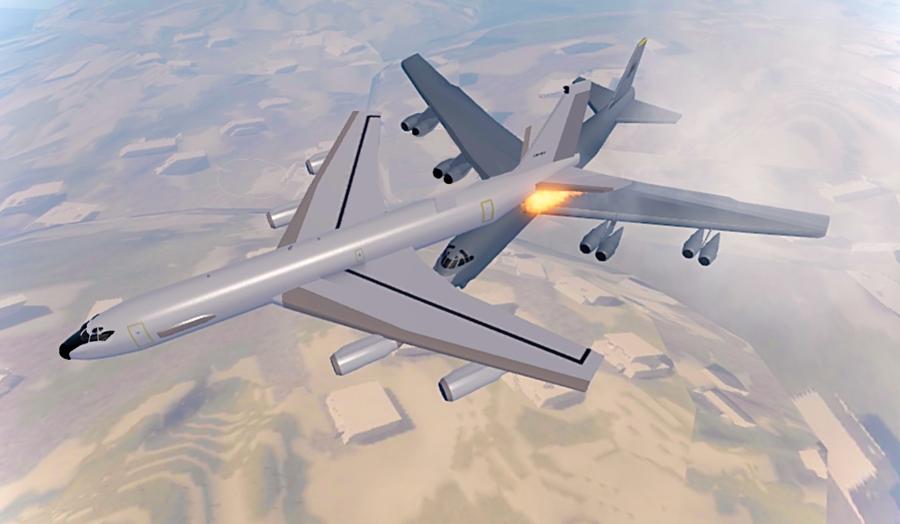
The 1966 Palomares incident was the result of a devastating collision between a US bomber and a tanker, above the small village of Palomares, Spain on January 17, 1966. The incident killed seven soldiers and scattered four thermonuclear bombs across the Mediterranean sea coastline.
One of the bombs landed in the Mediterranean and the others crashed on the ground elsewhere. Two of them detonated, but they were conventional explosions, not nuclear ones. The explosions created a vast crater, and dispersed plutonium into the wind.
Once the news reached the U.S. military, they initiated a huge operation to find the bombs. US Air Force lawyer, Capt. Joe Ramirez, says, “There were a lot of people talking, there was a lot of excitement in the conference room. Everyone kept talking about a 'broken arrow'. I learned then that 'broken arrow' was the code word for a nuclear accident.” When Ramirez arrived at the scene with military personnel, the villagers said it was a terrifying explosion, but luckily none were harmed.
Three of the seven bomber plane pilots managed to eject out of their seats before the plane went down. The fourth pilot ejected a little too late, which resulted in him being severely burned when the plane exploded. He was found near the village and was rushed to the hospital. The rest of the pilots died along with the four tanker pilots.
Three bombs that fell on land, or what was left of them, were recovered quickly. One had fallen in a river and was mostly intact. The site of the two that exploded was cleaned up and the radioactive debris was shipped to America for disposal. But the explosive site has never been fully cleaned up, and some contamination remains to this day.
The US, despite deploying hundreds of personnel, could not find the fourth bomb. After talking to a local fisherman, Capt Ramirez realized the fisherman might actually know where the warhead is. After four months of searching the warhead was found in a trench in the Mediterranean.
Spain, which was being ruled by the dictator Francisco Franco, worked with the US to downplay the incident. Franco feared that news about the radiation could cause widespread panic to the people of Spain, and furthermore, hurt tourism which was a main source of income for him. To prove nothing was wrong, Angier Biddle Duke, the US ambassador of Spain, swam in the waters to prove it was safe.
This incident shows the dangers of nuclear weapons, and the widespread panic it can cause. In response to the incident, Spain banned the US from flying bombs in Spanish airspace. And even decades later, some parts of the Almeria region in Spain are still inhabitable because of radioactive contamination.
[Sources: The BBC; Boston University]











Loading Comments...