Australia’s Emus Once Outlasted the Military
by Aarosh Subedi, age 13
Australia, a large continent, has many important and interesting animals. In fact, some of these animals are notorious for the hazards they pose, making Australia dangerous to live in. Many animals, like emus, may be underestimated as ordinary animals, but one historic feat they accomplished was taking down the Australian military.
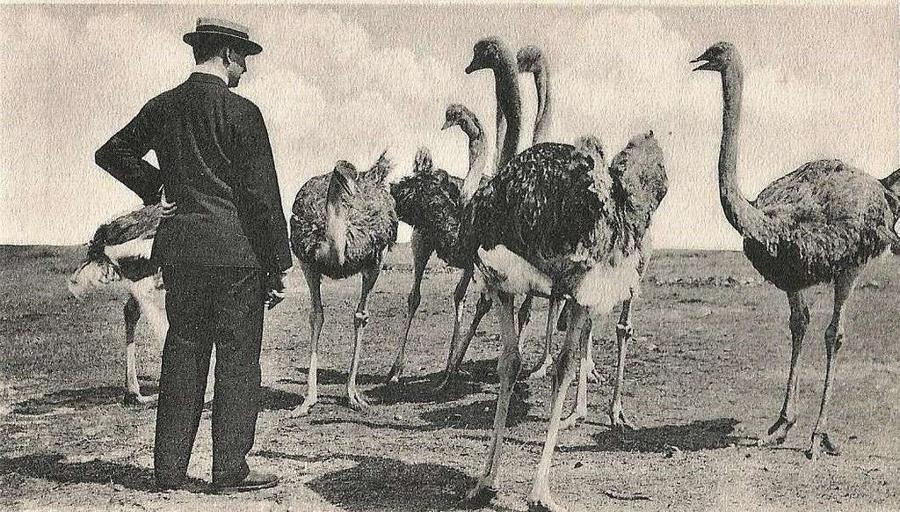
Emus are flightless birds that are known as the second-largest birds in the world. They have shaggy, grey-brown plumage with blue-black-brown skin. Originally, when colonists inhabited Australia, emus lived there. Colonizers cleared land there to grow wheat and survive in Australia; therefore, the emu population suffered from colonial practices. Colonizers set up wildlife fences, which were useful for a little while because they kept out rabbits, dingoes, and other animals, but the fences had seen better days. This meant that emus entering the farmland would be an issue and dangerous to all plantations in the area. Since emus were invading farmland, wheat prices were dropping, and government subsidies were very low, making farming there a daunting task.
In 1932, the government agreed to shoot down all emus. Sir George Pearce, the Minister of Defense, commanded the forces responsible for this campaign. Two soldiers, Sergeant S. McMurray and Gunner J. O'Halloran, were given two machine guns. Their task: mass extinction of emus.
On Nov 2, 1932, soldiers planned an ambush, but were foiled when the emus cut up into small groups. Two days later, they retried the ambush on a 1,000-emu mob, but the ambush backfired due to the jamming of a gun that was being used. Eventually, all plans had backfired, including one in which a truck mounted with a gun was too slow, and the ride on it was too bumpy. Although the army discovered that each emu had a leader, the war ended on Nov 8, 1932, with only 50 to a few hundred dead, proving that the emus had won for good.
Emus may be animals, but sometimes animals may not be what you think they are. There is no reason to underestimate the ecosystem around you!
[Source: History Hit]











Loading Comments...