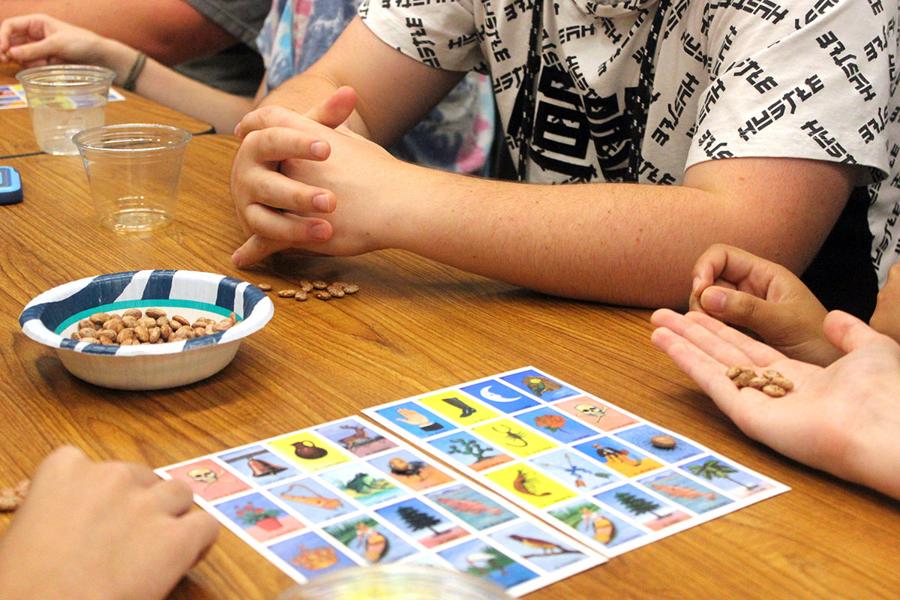
Lotería Is More Than a Game, It Is a Mexican Tradition
by Marco Flores, age 11
Lotería is a fast-paced game of chance and also a tradition in Latin American countries.
Lotería is similar to bingo, in which the objective of the game is to fill up your entire card. One person is assigned as “el cantor” and is responsible for calling out the cards. If you have one of the images on your card, you put a bean or a coin on that spot. If you are the first person to fill up your entire card, you shout “¡Lotería!” and win the prize money or candy. The word "lotería" directly translates to lottery.
Lotería originated in Italy in the 15th century as a lottery-style game, then spread to Spain, and later to New Spain, which is now Mexico. Some people connect its popularity in Mexico to the much older Aztec game called Patolli, which also involved beans and chance, but historians note that Lotería itself came later through Spain.
In 1887, a well-known publisher named Don Clemente Jacques created “Lotería El Gallo,” which is the famous version of Lotería played today. It contains 54 cards and large game boards with images of the cards on them. The cards feature colorful images of animals, food, and objects. The Jacques company distributed the game widely, including among Mexican soldiers, and over time, the images became iconic in Mexican culture. Lotería has since gained popularity in the U.S. and even some parts of Europe.
Today, people still play and love this game. Although it can be challenging, it remains a cherished tradition and an important part of Mexican culture.
[Source: Arizona State Museum]











Loading Comments...