What Caused The Great Depression?
by Thea Kaufman, age 10
The Great Depression started in 1929 and ended with the onset of World War II in 1939. The Great Depression was a 12-year period in history marked by mass unemployment, poverty, and the stock market crash.
The Great Depression was primarily driven by the stock market crash amid consumer panic and a cycle of bank failures and overproduction of money. The Great Depression initially began in the United States and quickly spread to other countries.
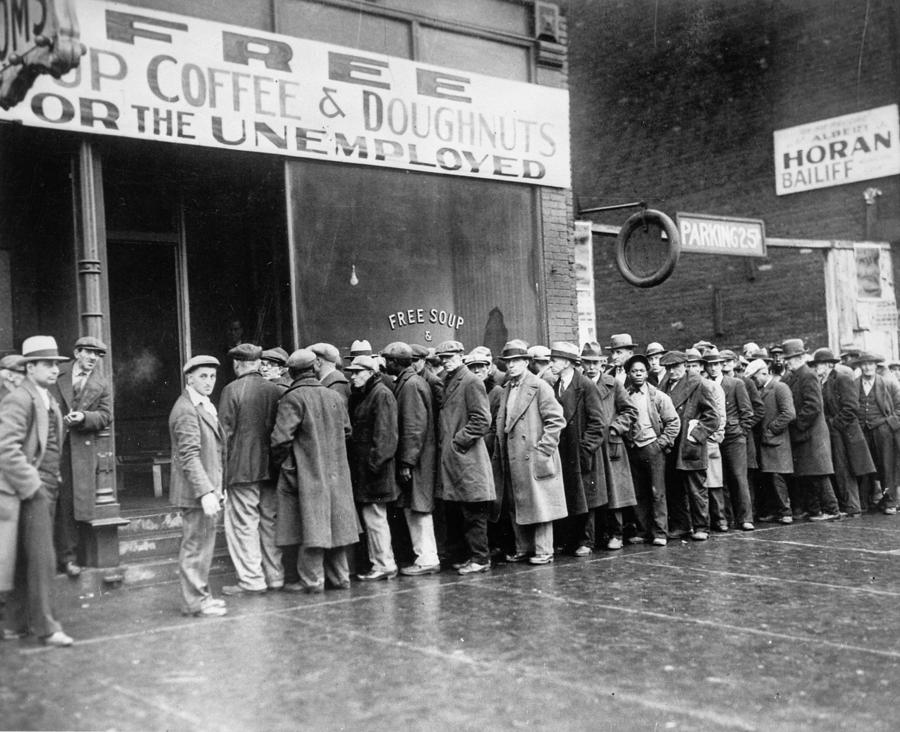
During this time, millions of Americans were laid off, lost their savings, and lost their homes. Some people resorted to selling fruit on street corners, and others to building makeshift encampments, known as "Hoovervilles", for housing.
Various factors made the Great Depression much worse. Historians have pointed to a destabilized global economy, with many countries struggling after World War I, creating an opportunity for the Great Depression to unfold.
The U.S. made the critical mistake of sharply increasing and then decreasing the money supply, which in turn led to higher interest rates. To maintain the value of the gold dollar, the U.S. raised interest rates even higher to prevent other companies from borrowing, thereby exacerbating the Great Depression.
The 1930 Smoot-Hawley Tariff Act (SHTA) was considered to worsen the conditions of the Great Depression. Although the SHTA was meant to protect American factories, other countries countered by imposing tariffs of their own, reducing world trade. There was also an ongoing drought in the Great Plains that led to the Dust Bowl, which hurt farmers because they were unable to grow enough crops to sell.
By 1932, roughly 12 to 13 million Americans were unemployed, and those who still had jobs were receiving only half their regular pay. In 1932, angry voters elected Franklin D. Roosevelt as president, who, with his New Deal program, provided jobs.
His campaign reformed the economy to prevent future crises and strengthened the banking system. World War II provided an opportunity for job growth as factories increased production of weapons and other war-related goods, which helped end the Great Depression.
The Great Depression was a long, difficult period for many people, as they faced significant resource shortages and economic uncertainty. Despite facing challenges, the United States and other countries eventually recovered after implementing economic reforms.
[Sources: History.com; Encyclopedia Britannica]











Loading Comments...