April 7th Is International Beaver Day
by Ermiyas Abiy, age 9
Beavers are very important, so important, in fact, there is a worldwide celebration for them. These creatures make the environment better by making wetlands and watersheds cleaner.
Beavers are native to North America, Asia, and Europe. They are the second largest rodent, right behind capybaras. Beavers can be found throughout almost all of North America, including Wisconsin.
These creatures live in places like marshes, streams, and other wetlands. They sometimes build their homes partially underwater. They do this so they can be safe from predators because of the underwater entrance.
Beavers build dams that block small bodies of water. The dam catches trash and other pollutants while the water passes through clean to the other side. Another reason why beavers build dams is that they want to keep the flow consistent and build a permanent body of water that they can live in.
Beaver fur is very important, it is so crucial that settlers and Native Americans trapped and hunted them for their fur for centuries. Beavers were almost extinct by the end of the 20th century. Ever since then, the animal has been a protected species.
Another challenge beavers face is habitat loss. Protecting wetlands can help save beavers. Wetlands, like beavers, help filter our water and keep it clean.
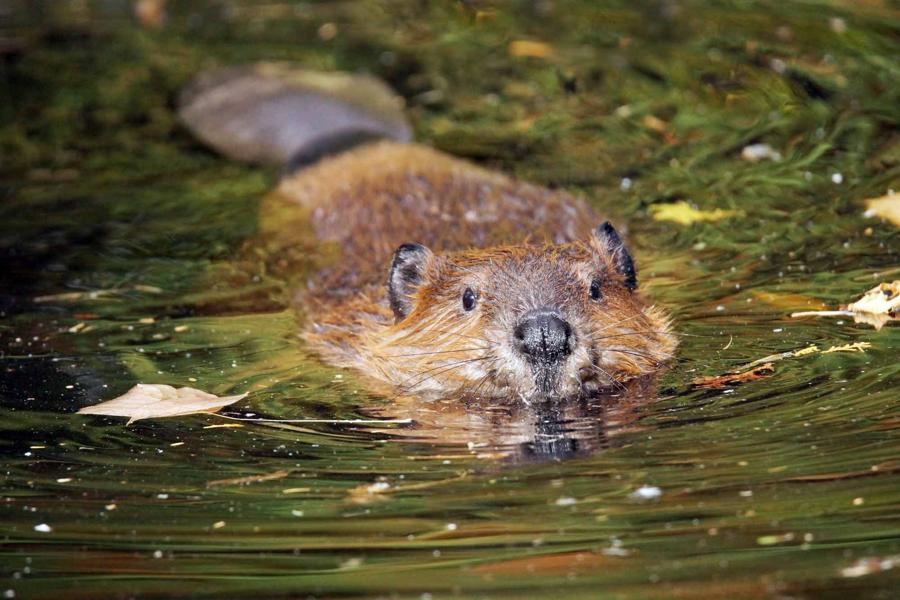
Beavers can reach up to four feet long and weigh up to 75 pounds, regardless of gender. They look just like the capybara, except they have flat tails like a platypus. The animal also has webbed feet, making them great swimmers.
International Beaver Day is a new celebration that started on April 7, 2008, when different groups worked together to bring back their numbers, protect them, and save the places where they live. Scientists use this important day to raise worldwide awareness about how we can help beavers.
Beavers are amazing animals. It’s sad to see how their numbers have dwindled, but it's great to see them back on the rise! Beavers are a very important part of the ecosystem, and if we keep improving their lives, then the world will truly be a better place.
[Sources: Wisconsin DNR; Madison.com, Champions For Wildlife]











Loading Comments...