How Poisonous “Blood Flowers” Help the Environment
by Ermiyas Abiy, age 10
The Tropical Milkweed flower is part of the milkweed family of plants. This plant is also known as the Bloodflower, Scarlet Milkweed, Silkweed, or Sunset flower.
The scientific name of for this interesting flower is Asclepias Curassavica, and the origins of the name are thought to be from Curacao, located in the southern Caribbean.
Blood flowers were thought to be native to the Caribbean, South America, Central America, and Mexico. However, these flowers have recently been found in other parts of the world. They typically grow in tropical and subtropical regions. This flower is usually found in fields, prairies, and swamps.
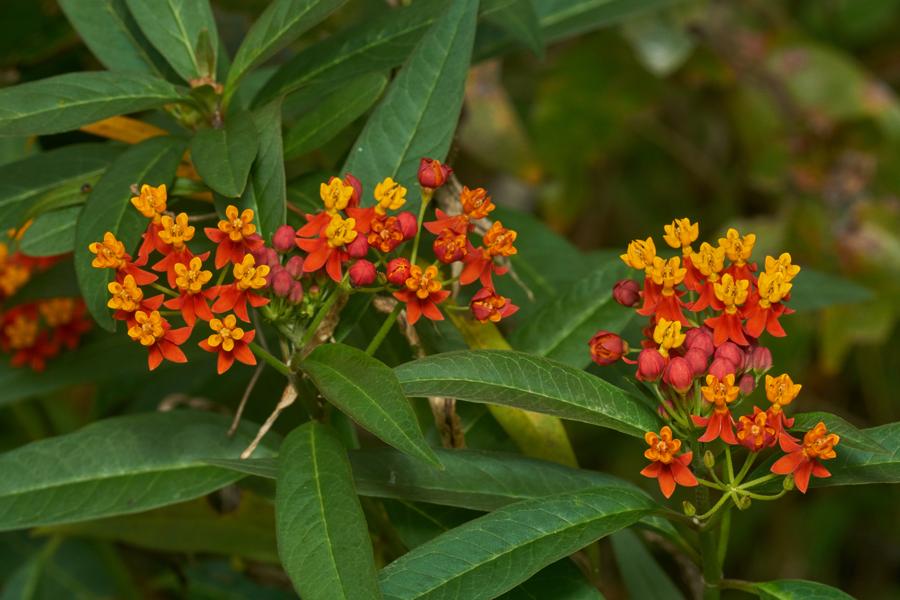
Like other plants in the milkweed family, blood flowers produce sap that can irritate skin. This flower is poisonous, which is how it got its other name, “the blood flower.” These flowers have regular or branched stems and grow around three to four feet tall. The leaves are narrow and measure about five to six inches long. They are also pointed on both sides.
The flower is reddish-orange, and the species is special because it has reflexed corolla lobes, which are the petals of the flower, that can bend backwards or down. When this flower is in a garden, it pairs best with smaller plants, so they peek over the top. It grows well in dry and wet soil. However, consistent moisture is better for the flower. The plant is somewhat drought resistant and likes a lot of sun.
When winter approaches, it is best to move a houseplant indoors and place it in a spot with a lot of light. This plant usually doesn’t have pests. However, sometimes aphids will terrorize the plants, leading to mold, which is a fungus growing on the honeydew from insects. The pests can be removed with water or other simple methods. Avoid using chemicals. Treated well, your plant will last a long time due to its resilience and tolerance.
In the wild, Blood flowers attract monarch butterflies, bees, and hummingbirds. This beautiful plant is beneficial to the environment and can sometimes serve as a home for pollinator species.
[Sources: Wisconsin Horticulture; Britanica for Kids]











Loading Comments...