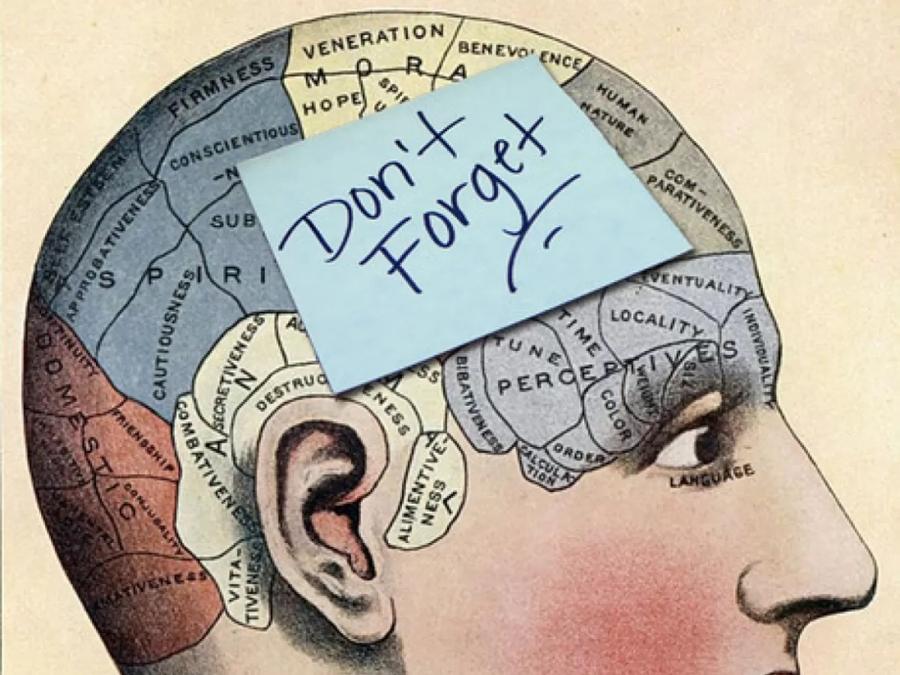
How the Brain Stores and Retrieves Memories
by Dellany Onyango, age 9
A memory is a record of information that your brain considers important and saves. Memories can last five seconds or five years. Three parts of the brain help with memory: the amygdala, the cerebral cortex, and the hippocampus.
The hippocampus, located in the cerebral cortex, is the part of the brain that stores memories. An undamaged memory gathers information like the current day or time and retains it for later use. When the brain receives data, it decides which pieces are important. This process involves three steps: encoding, storage, and retrieval.
Encoding is when your brain takes in information from your environment and converts it into a form that can be stored. Then, your brain stores that encoded information for future use, which is called storage. The final part of memory is retrieval, which brings stored information back out of storage in three ways: recall, recognition, and relearning. Recall involves actively remembering something without environmental cues. Recognition occurs when your surroundings trigger your memory. Relearning happens when you remember information faster and more easily the second time you learn it.
What happens when your memory gets damaged? People can experience memory problems at any age, but they become more common as we grow older. Different types of brain injuries include traumatic brain injury (TBI) and amnesia. There are two types of amnesia: one where a person cannot remember past events, and another where they cannot form new memories. Recovery from brain injuries is usually slow. To better protect the brain, people should wear helmets or other safety gear during activities like riding wheels, playing sports, or engaging in risky activities.
Memory is a complex and vital part of human thinking and shapes how we experience the world. While memory can be very accurate, it can also be flawed. Understanding how memory works helps humans expand knowledge and develop better ways to improve learning experiences.
[Sourcse: KidsHealth; OpenStax]











Loading Comments...