How Flowers Use Color, Scent, and Shape to Attract Pollinators
by Delia Moreno, age 7
Flowers have adapted in many unique ways to attract pollinators. Some of these characteristics include landing platforms for insects, brightly colored flowers, and leaves with special shapes that ensure insects are covered in pollen.
Plants need to spread pollen to reproduce. Pollen is sticky, and when it explodes into the air, it clings onto insects. These insects then transfer pollen to another flower, allowing for reproduction.
One of many ways flowers attract pollinators is by creating unique platforms for insects to land on. Specifically, on some flowers, two petals at the bottom of the stem serve as a landing station. When an insect lands, its weight then triggers a spring on the flower, causing the release of pollen.
Other types of flowers attract pollinators through their sweet scent. Insects feed on the sweet nectar found in flowers, and they like to visit the ones that smell the sweetest. The bird cherry tree smells like almonds and attracts bees, butterflies, and moths. Other flowers that use smell to attract pollinators include elderflowers, magnolias, and lilacs.
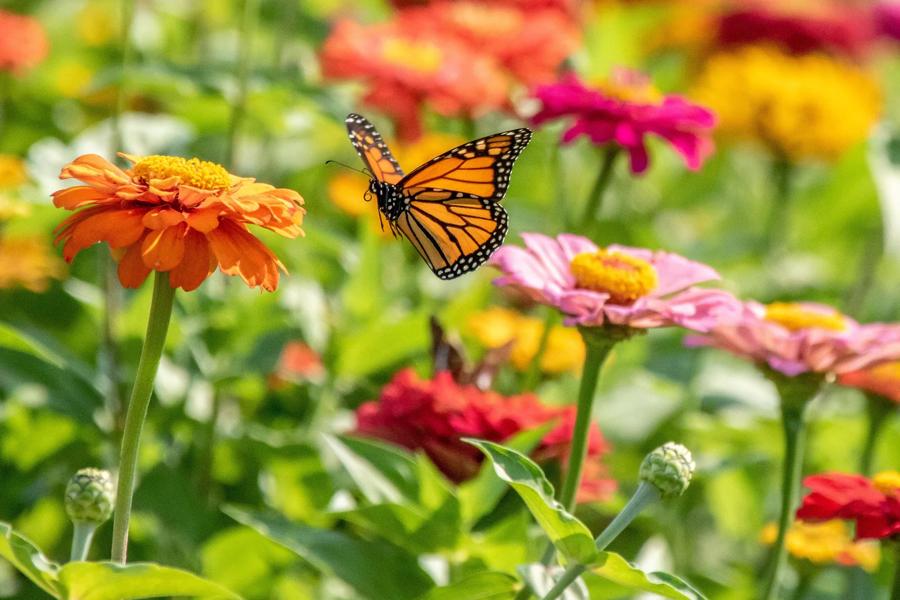
Some flowers are shaped like tubes. These tubular flowers force pollinators to crawl through lots of pollen to reach the nectar they want to eat. One example is the catalpa, or Indian bean tree, which is found in the southeastern United States. Many flowers use bright colors to attract pollinators because they are highly visible. Some colorful flowers include irises, dahlias, and Bird of Paradise flowers.
The main types of pollinators are insects like honeybees and butterflies, but bats and birds also help transfer pollen to other flowers. For example, hummingbirds and fruit bats hover in the air to eat nectar from trees and plants.
Flowers have evolved in unique ways to ensure they are able to make new seeds. In doing so, flowering plants have formed mutually beneficial relationships with pollinators.
[Source: Eyewitness: Tree]











Loading Comments...