The Busy Lives of Bees
by Dessa Sayu, age 7
Bees are fascinating insects that are essential to our ecosystem. They help with pollination. Bees make honey by passing the nectar from mouth to mouth until the sugar breaks down into honey. There are three main types of bees: bumblebees, stingless bees, and honeybees.
There are 20,000 different bee species carved on Egyptian tombs. Egyptians kept bees in clay hives about 2,500 years ago to harvest the bees' honey. A bee was the symbol of life for Egyptians.
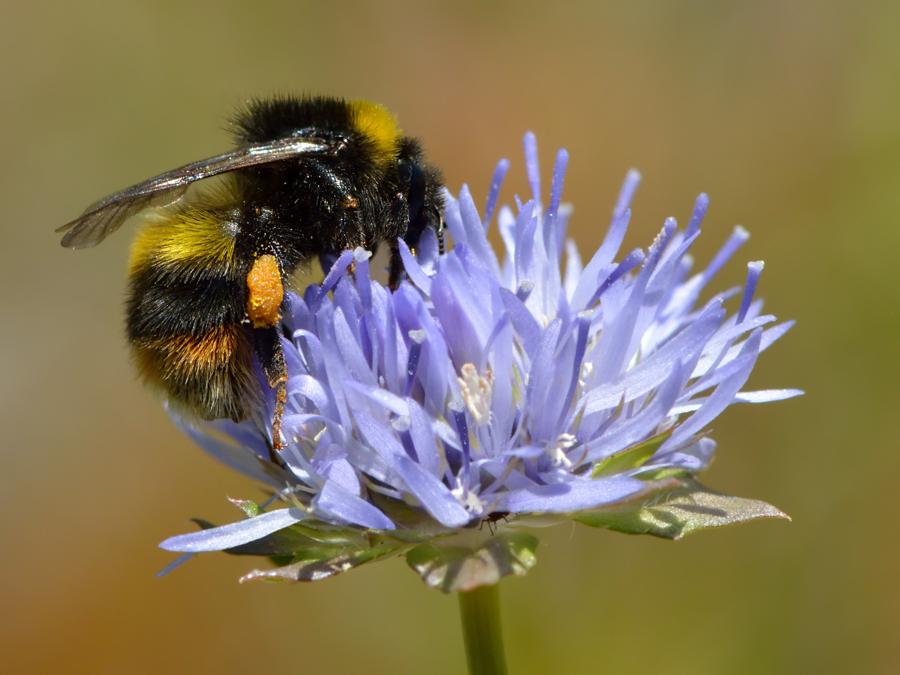
Bumblebees are one of the largest species of bees. Their wings are too small for their bodies, making it harder for them to fly. Brown bumblebees have unusually long tongues. Stingless bees live in hot, tropical countries near the equator. These bees are tiny with bodies only 1/16 inches in length. Honeybees live in nests made by worker bees. However, to get more honey, people sometimes make artificial nests called hives.
There are three different types of roles among honeybees: the drone, the worker, and the queen. The drone is a male bee that mates with the queen so she can lay eggs.
Female bees that do not breed are called workers. Worker bees look for pollen and food. They are usually the only bees you see flying around. They also built the hive. The queen is the only fertile female, meaning she can have eggs.
Bees are hardworking insects that serve the queen by producing products essential to the food system. Bees are vital insects for the success of other creatures and various habitats.
[Source: The Big Bug Book]











Loading Comments...