Wisconsin Residents Should Watch for New Invasive Plant
by Brooklynn Miller, age 12
Wildlife experts state that all Southern Wisconsinites should report if they have seen the new, highly invasive plant, Japanese stiltgrass.
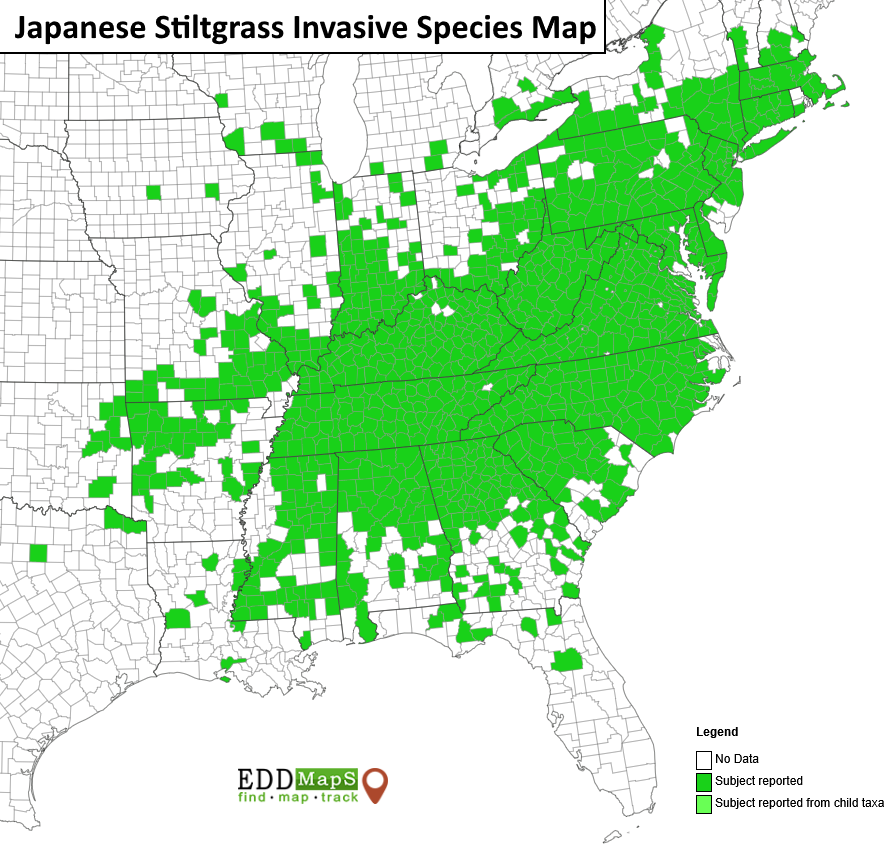
Japanese siltgrass, also referred to as Microstegium Vimineum, grows in spread-out mats in forests. It is also known to grow in streams, trails, ditches, and even lawns, however, it is usually found in the eastern and southern U.S.
The invasive plant has already been spotted, but it is spreading rapidly all states east and south of Wisconsin, excluding Maine. These plants are problematic as they choke out native plant species and lack a native predator, thus they grow with no competition. They are also a highly flammable fuel source, encouraging bigger, more intense wildfires.
Projects are trying to inform others to prevent the spread of this plant and aim for early detection and total uprooting. We need to minimize the damage it has already done. This also means people need to be watching out for stiltgrass on their property before it spreads.
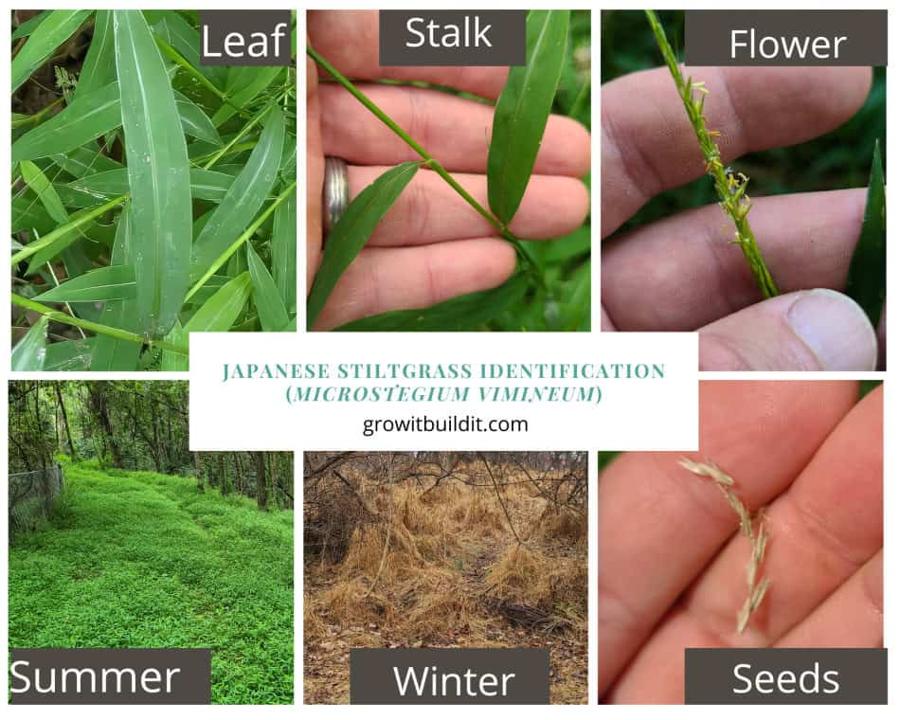
Some ways we can identify the invasive plant from native plants is by height, width, and markings. Japanese stiltgrass grows between half a foot to three feet in length, and the plant stretches along the ground. It also possibly grows on other plants with a thin, weak root system and has rootless “stilt” roots. The leaves are two to four inches long, and half an inch wide. The most notable feature that differentiates it from native grasses is a silvery, off-center mid-rib line.
Wildlife experts explain that if there are any sightings of the plant, it should be immediately reported to either the UW-Madison Extension Forestry Team, or the DNR Invasive Species Team. This way, sightings of the stiltgrass can be dealt with immediately.
Japanese stiltgrass is harmful to its surroundings, but it is not just stiltgrass that is dangerous; all non-native, invasive plants can harm the forests we love and enjoy. We can not always stop or uproot harmful plants. Sometimes all we can do is protect our native plants because those are our top priority in nature.
Invasive plants are very harmful to our communities and the plants and forests we care about that need to be protected. Reporting the stiltgrass to wildlife experts is very important to preserve our diverse forests. All southern Wisconsinites should report any sightings of Japanese stiltgrass for the good of the plants, animals, and many other living things.
[Sources: Wisconsin Horticulture; Texas Invasive Species Institute; EDD Maps; Plant Nova Natives]











Loading Comments...