How Did a Nebraska Cougar Find its Way to Wisconsin?
by Evelyn Jakubczak, age 13
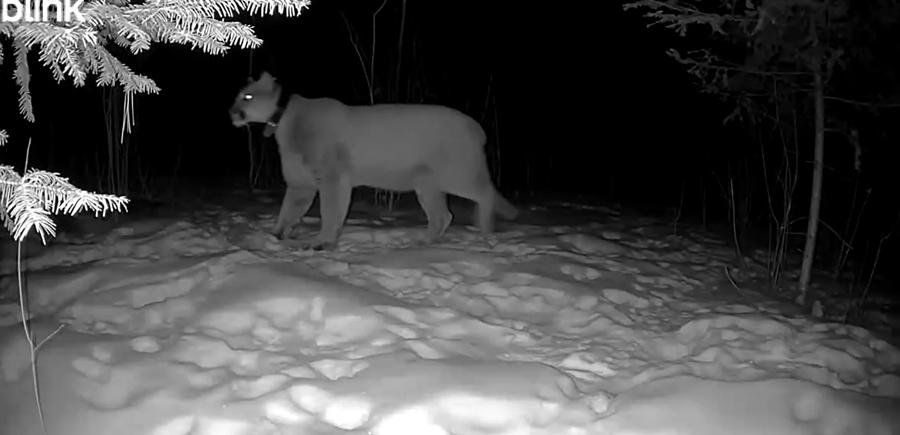
A male cougar was recently found dead near a railroad track in Adams County, Wisconsin. Wildlife officials tracked the big cat on its journey from Nebraska to Wisconsin.
The incident was reported in February of 2026 by a railroad worker. Officials believe that the cougar was hit by a train. The Wisconsin Department of National Resources examined the animal to determine the cause of its death. Experts say it is a classic case of a male cougar leaving its home range in search of a mate.
The cougar was a two-year old male that was collared and ear tagged in Nebraska. Even though its GPS tracker stopped transmitting data, biologists were able to track it due to its common appearance and frequent sightings across states. It was photographed many times on its journey from Nebraska. In early January 2026, it was seen in northwest Wisconsin. By February, the cougar had traveled through Marathon and Portage counties before arriving in Adams County.
Cougars are found in North America in Canada, parts of the U.S., and Mexico. Further south, they roam the Amazon Rainforests and the Andes Mountains. They also thrive in southern parts of South America in countries like Argentina and Chile. This makes the cougar, also known as pumas and mountain lions, the most widely distributed large mammal in the Western Hemisphere. Even though cougars are not common in Wisconsin, there have been numerous sightings almost every year.
Cougars are carnivores and skilled ambush predators. They hunt in the dark and use stealth and patience to stalk their prey. In North America, they usually prey on deer. Other times they eat elk, moose, mountain goats, bighorn sheep, raccoons, porcupines, rabbits, and rodents. When food is scarce, they eat birds, reptiles, and even insects. In some cases, livestock or pets have also been taken by cougars.
The cougar found on a railroad track in Wisconsin has a unique story. Its journey demonstrates of how these cats can travel great distances and across many states. They are resourceful and resilient. They can survive in many different environments and adapt to changing conditions. Nonetheless, human activity and modern development can still cause problems for these remarkable animals.
[Sources: Milwaukee Journal Sentinel; Wisconsin DNR]











Loading Comments...